
A Battery Management System (BMS) is the intelligent core of any modern energy storage solution, from electric vehicles (EVs) to grid-scale power systems. Its primary role is to ensure the safety, efficiency, and longevity of the battery pack. The BMS acts as a guardian, constantly monitoring key parameters such as voltage, current, and temperature for each individual battery cell. This vigilance is crucial for preventing hazardous conditions like overcharging, overheating, or deep discharging, which can damage the battery or create safety risks.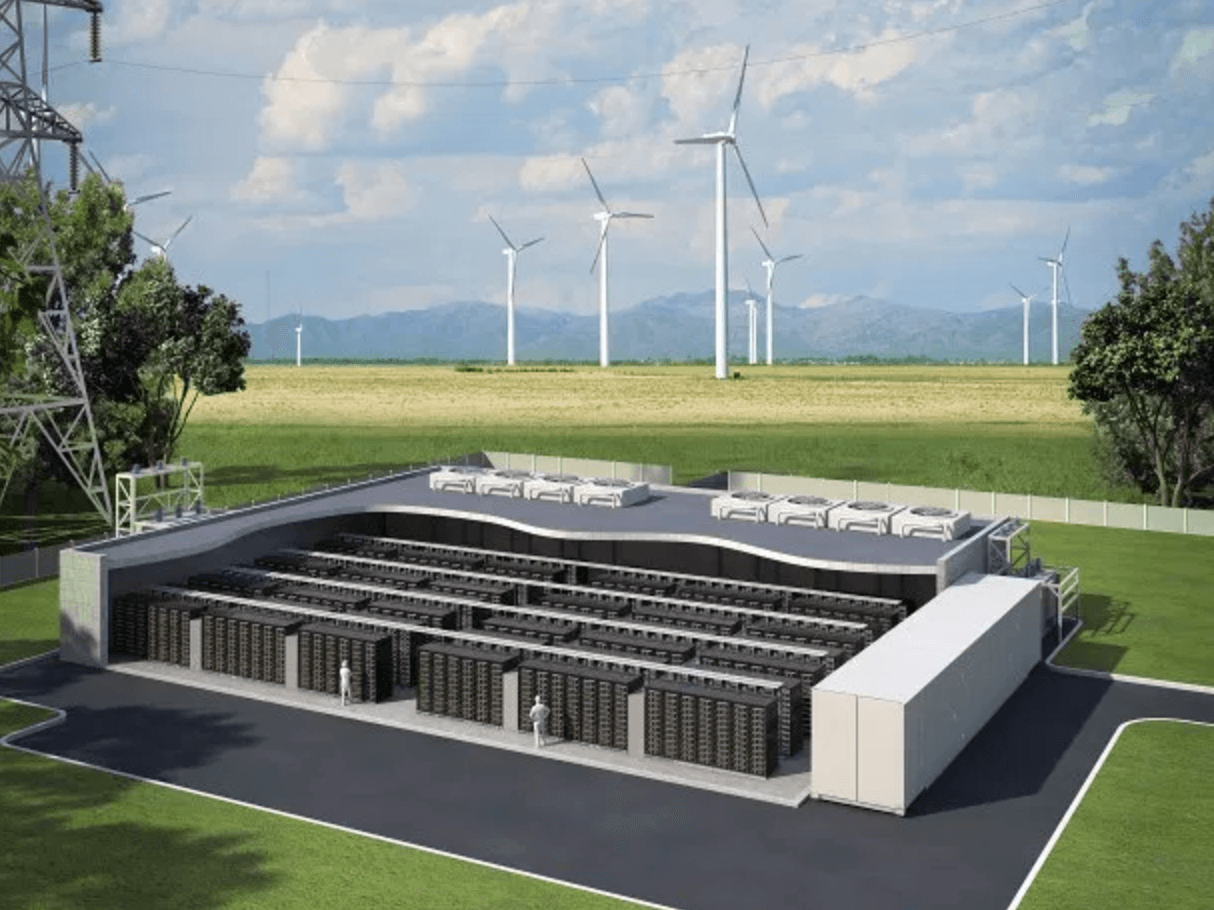
Beyond safety, a BMS optimizes performance. It uses sophisticated algorithms to balance the charge across all cells, ensuring the entire pack works in harmony and maximizing its usable capacity. By enabling more efficient and reliable energy storage, BMS technology is a cornerstone of the global transition to renewable energy. It supports the widespread adoption of clean technologies by making them safer and more dependable. As the world increasingly relies on battery power, the BMS remains a critical enabler of a sustainable and resilient energy future.
Beyond safety, a BMS optimizes performance. It uses sophisticated algorithms to balance the charge across all cells, ensuring the entire pack works in harmony and maximizing its usable capacity. By enabling more efficient and reliable energy storage, BMS technology is a cornerstone of the global transition to renewable energy. It supports the widespread adoption of clean technologies by making them safer and more dependable. As the world increasingly relies on battery power, the BMS remains a critical enabler of a sustainable and resilient energy future.