
On-Board Diagnostics (OBD) is an essential system in modern vehicles that acts as a self-diagnostic and reporting tool. Think of it as your car's built-in health monitor. Its primary purpose is to oversee the performance of key engine and emissions components. When the system detects a problem, it triggers the "Check Engine" light on your dashboard and stores a Diagnostic Trouble Code (DTC) in its memory. This code can be read using a scanner through the standardized OBD-II port, typically found under the dashboard.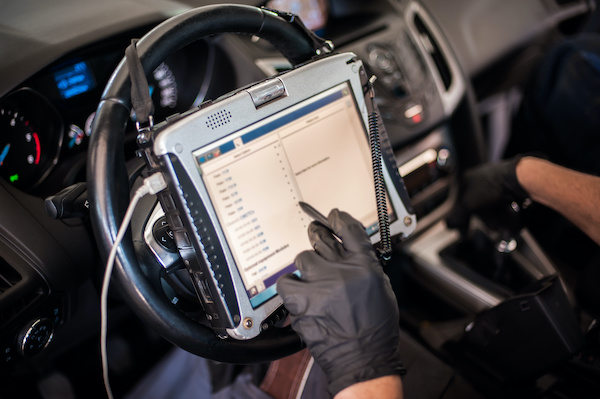
This standardization allows mechanics—and even car owners with basic tools—to quickly identify issues ranging from a loose gas cap to a complex engine misfire. By providing this critical data, OBD systems enable faster, more accurate repairs, saving time and money. Beyond diagnostics, OBD plays a vital role in environmental protection by ensuring that a vehicle's emissions control systems are functioning correctly. As vehicles become more complex, especially with the rise of hybrid and electric models, OBD standards are evolving to keep pace, making this technology more critical than ever for ensuring safety, efficiency, and regulatory compliance.
This standardization allows mechanics—and even car owners with basic tools—to quickly identify issues ranging from a loose gas cap to a complex engine misfire. By providing this critical data, OBD systems enable faster, more accurate repairs, saving time and money. Beyond diagnostics, OBD plays a vital role in environmental protection by ensuring that a vehicle's emissions control systems are functioning correctly. As vehicles become more complex, especially with the rise of hybrid and electric models, OBD standards are evolving to keep pace, making this technology more critical than ever for ensuring safety, efficiency, and regulatory compliance.