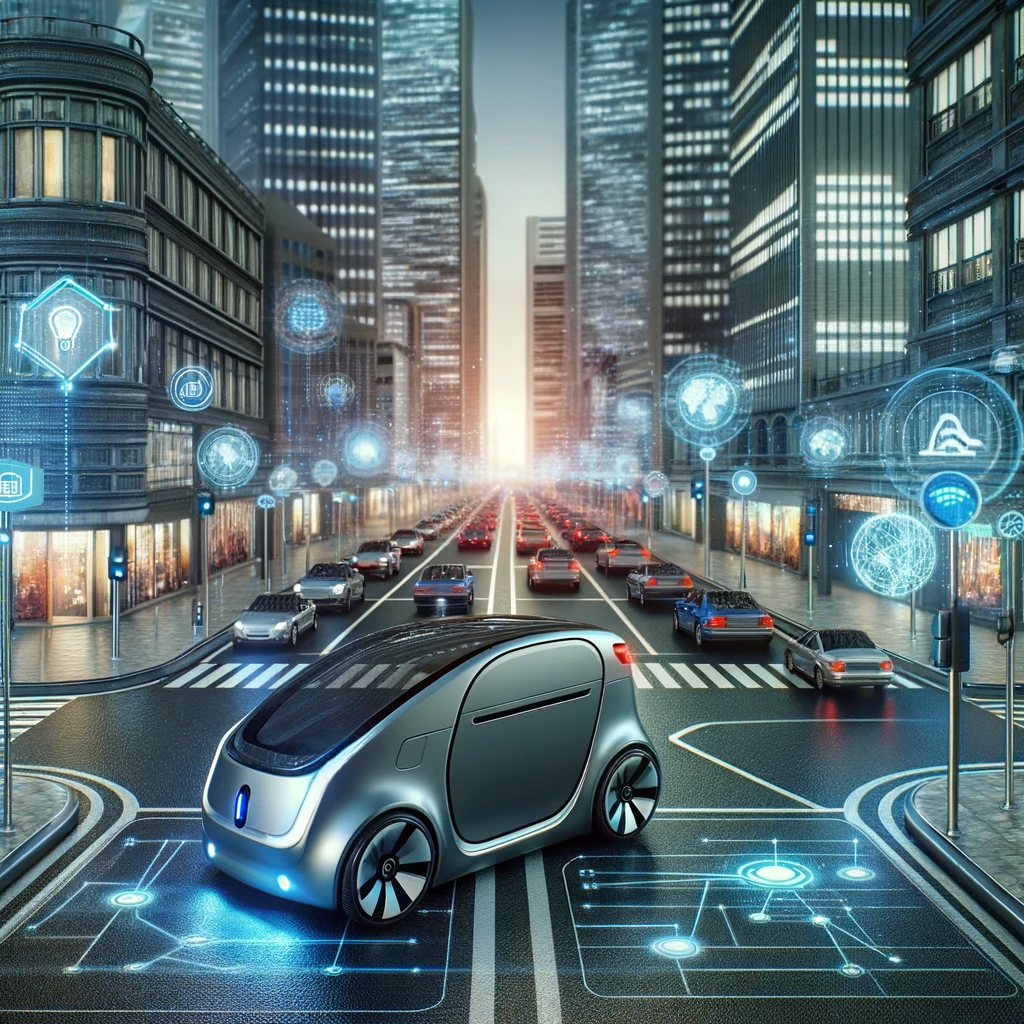
<img alt="Autonomous Driving Technology Revolutionizes Global Transportation Future" src="https://miro.medium.com/v2/resize:fit:1024/1%2Ai3qIMa5P0nK78JUCSocefQ.png" style="max-width: 100%; height: auto; display: block; margin-left: auto; margin-right: auto"/><p style="text-align: justify">Autonomous driving technology is rapidly transforming transportation, promising a future where vehicles operate without human intervention. This innovation represents a fundamental shift in mobility, driven by advancements in artificial intelligence, sensors, and machine learning. Self-driving cars use a combination of LiDAR, radar, and cameras to perceive their surroundings, allowing them to navigate complex environments with precision. The primary goal of this technology is to enhance safety by significantly reducing accidents caused by human error. Additionally, autonomous vehicles have the potential to optimize traffic flow, reduce congestion, and provide new mobility options for those unable to drive. Companies like Waymo and Tesla are leading the charge, but the entire auto industry is investing heavily in this vision. However, widespread adoption still faces hurdles, including regulatory frameworks, public acceptance, and addressing complex ethical scenarios. Despite these challenges, the progress in autonomous driving continues to accelerate, shaping a future of transportation that is safer, more efficient, and more accessible for everyone.</p>