
Regenerative braking is a pivotal innovation enhancing the efficiency of modern vehicles, particularly electric (EVs) and hybrids. This smart system captures kinetic energy that is normally lost as heat when a car slows down. Instead of wasting it, the system converts this energy into electricity and stores it back in the vehicle's battery. This process not only improves fuel economy but also reduces harmful emissions, making it a cornerstone of sustainable transportation. The core of the technology lies in using the electric motor as a generator. When the driver brakes or coasts, the motor reverses its function, creating resistance that slows the car while simultaneously charging the battery.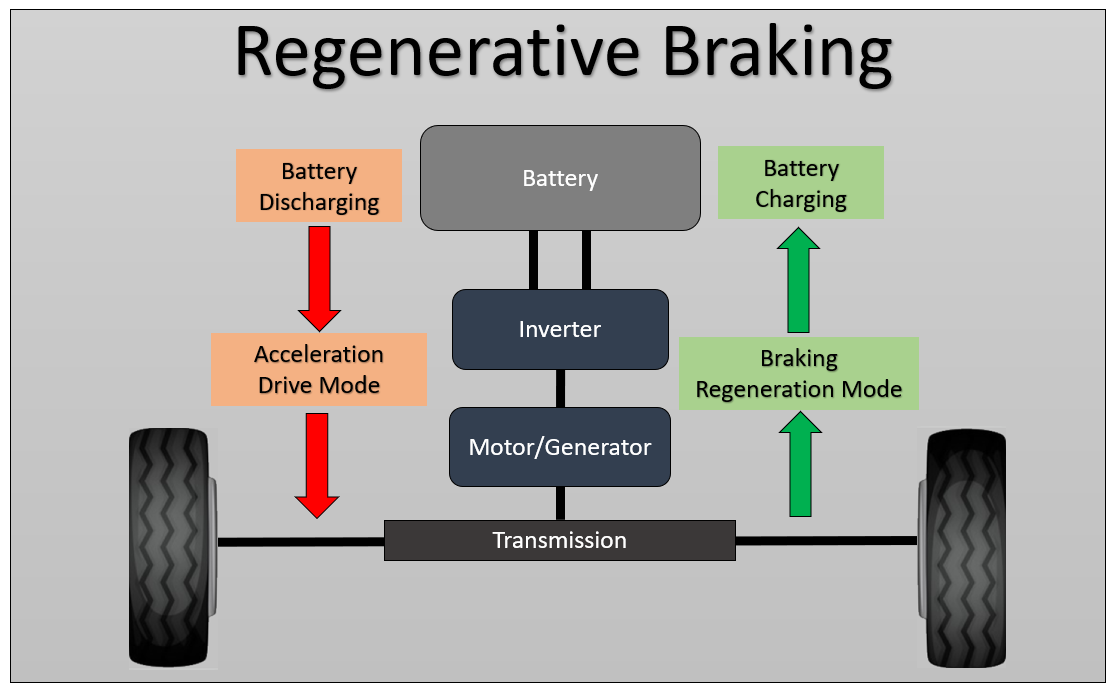 This captured energy significantly extends the driving range of an EV, reducing the need for frequent recharging and alleviating "range anxiety." In addition to efficiency gains, regenerative braking also reduces wear and tear on traditional friction brakes, leading to lower maintenance costs over the vehicle's lifetime. As the automotive industry continues its shift toward electrification, regenerative braking stands out as a key technology driving progress, making our vehicles smarter, more efficient, and better for the planet.
This captured energy significantly extends the driving range of an EV, reducing the need for frequent recharging and alleviating "range anxiety." In addition to efficiency gains, regenerative braking also reduces wear and tear on traditional friction brakes, leading to lower maintenance costs over the vehicle's lifetime. As the automotive industry continues its shift toward electrification, regenerative braking stands out as a key technology driving progress, making our vehicles smarter, more efficient, and better for the planet.