
Modular platform architecture is a transformative design approach that enables organizations to build scalable, flexible, and resilient systems. Instead of creating a single, monolithic structure, this method breaks down a system into smaller, independent components, or "modules." Each module can be developed, modified, or replaced without affecting the rest of the system. This "building block" strategy offers a significant advantage, reducing development time, lowering costs, and accelerating innovation.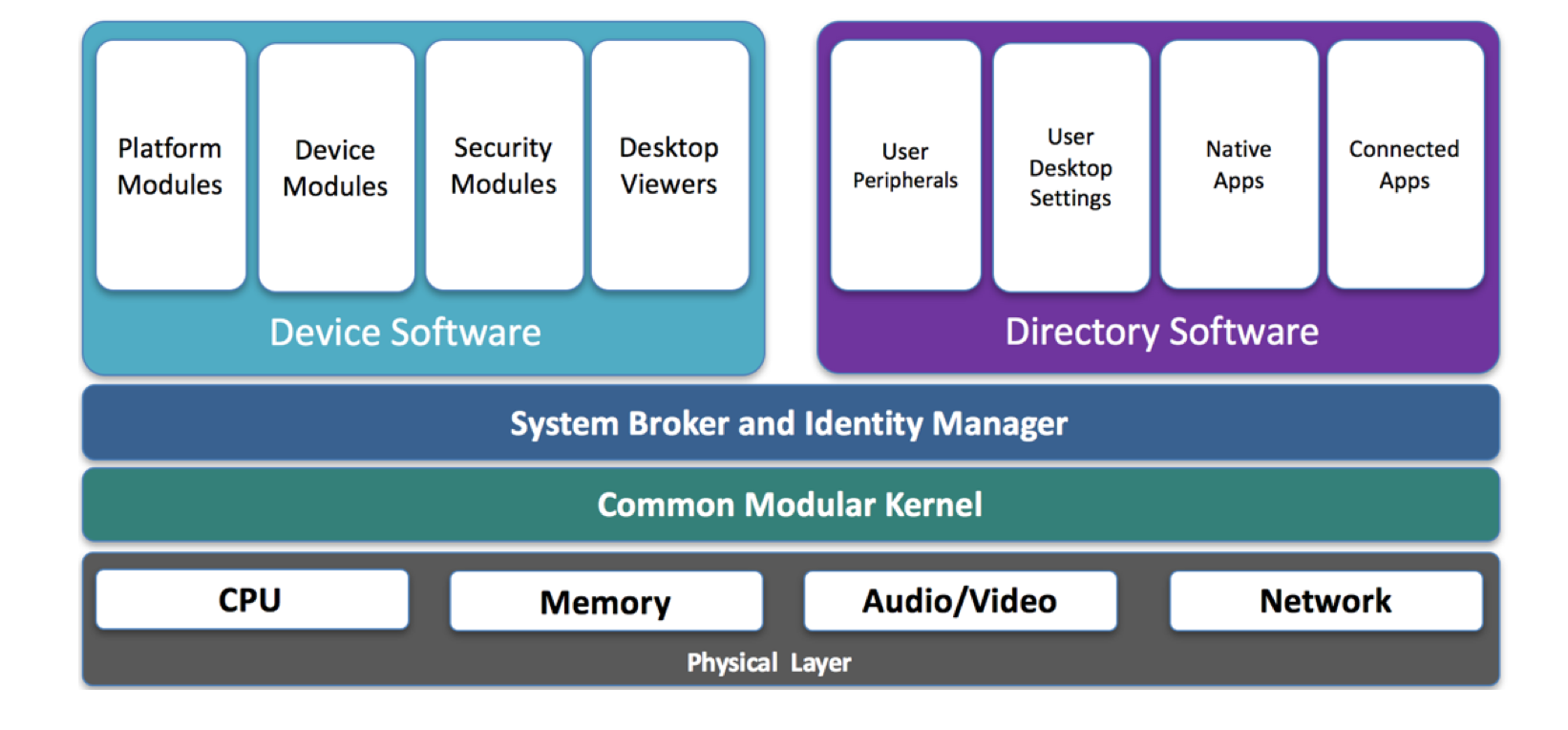
This approach is highly beneficial for rapid iteration and customization. In the automotive industry, for example, manufacturers use modular platforms to create different vehicle models with shared components, streamlining production. In software and cloud computing, modular design allows businesses to scale operations and add new features dynamically. This flexibility also fosters innovation by making it easier to experiment with new technologies or integrate third-party services without risking the core system's stability. By isolating components, it also enhances cybersecurity, as vulnerabilities can be contained and addressed more effectively. As businesses strive for greater agility in a fast-paced digital world, modular architecture has become an essential strategy for building the technologies of tomorrow.