
Solid-state batteries are marking a pivotal advancement in energy storage, promising to overcome the limitations of current lithium-ion technology. Unlike conventional batteries that use flammable liquid electrolytes, solid-state versions use solid materials to conduct ions. This fundamental change offers significant benefits, including improved safety by eliminating the risk of leaks and fires, higher energy density for longer life, and a more extended overall lifespan.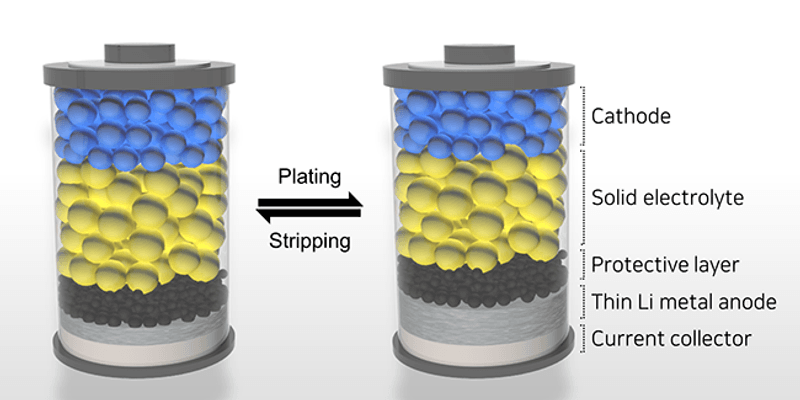 This breakthrough is capturing the attention of industry leaders for a wide range of applications, from consumer electronics to electric vehicles and large-scale renewable energy systems. The solid electrolyte allows for faster charging cycles and better performance at higher temperatures, making these batteries ideal for next-generation power solutions. Companies like Toyota and Samsung are investing heavily in commercializing this technology. While challenges in scaling production and reducing costs remain, the progress so far suggests that solid-state batteries could soon become a cornerstone of our sustainable energy future, accelerating the transition to cleaner transportation and more efficient power grids.
This breakthrough is capturing the attention of industry leaders for a wide range of applications, from consumer electronics to electric vehicles and large-scale renewable energy systems. The solid electrolyte allows for faster charging cycles and better performance at higher temperatures, making these batteries ideal for next-generation power solutions. Companies like Toyota and Samsung are investing heavily in commercializing this technology. While challenges in scaling production and reducing costs remain, the progress so far suggests that solid-state batteries could soon become a cornerstone of our sustainable energy future, accelerating the transition to cleaner transportation and more efficient power grids.